sennder
Conversion-optimised B2B platform brings new customers to Europe’s leading freight marketplace
Targeted optimisation for faster scaling
With more intuitive flows and clearer messaging, carriers and shippers connect faster, and the marketplace grows.
Improved onboarding increases lead quality
An optimised sign-up drives more registrations, and new users become paying customers more often.
Lower acquisition costs and higher conversion
Automated, user-centred journeys reduce effort in marketing and sales and increase conversion rates.
A clear presence builds greater trust
A consistent digital presence with clear messaging provides clarity and strengthens the perception of sennder as a reliable partner in the logistics market.
At a glance
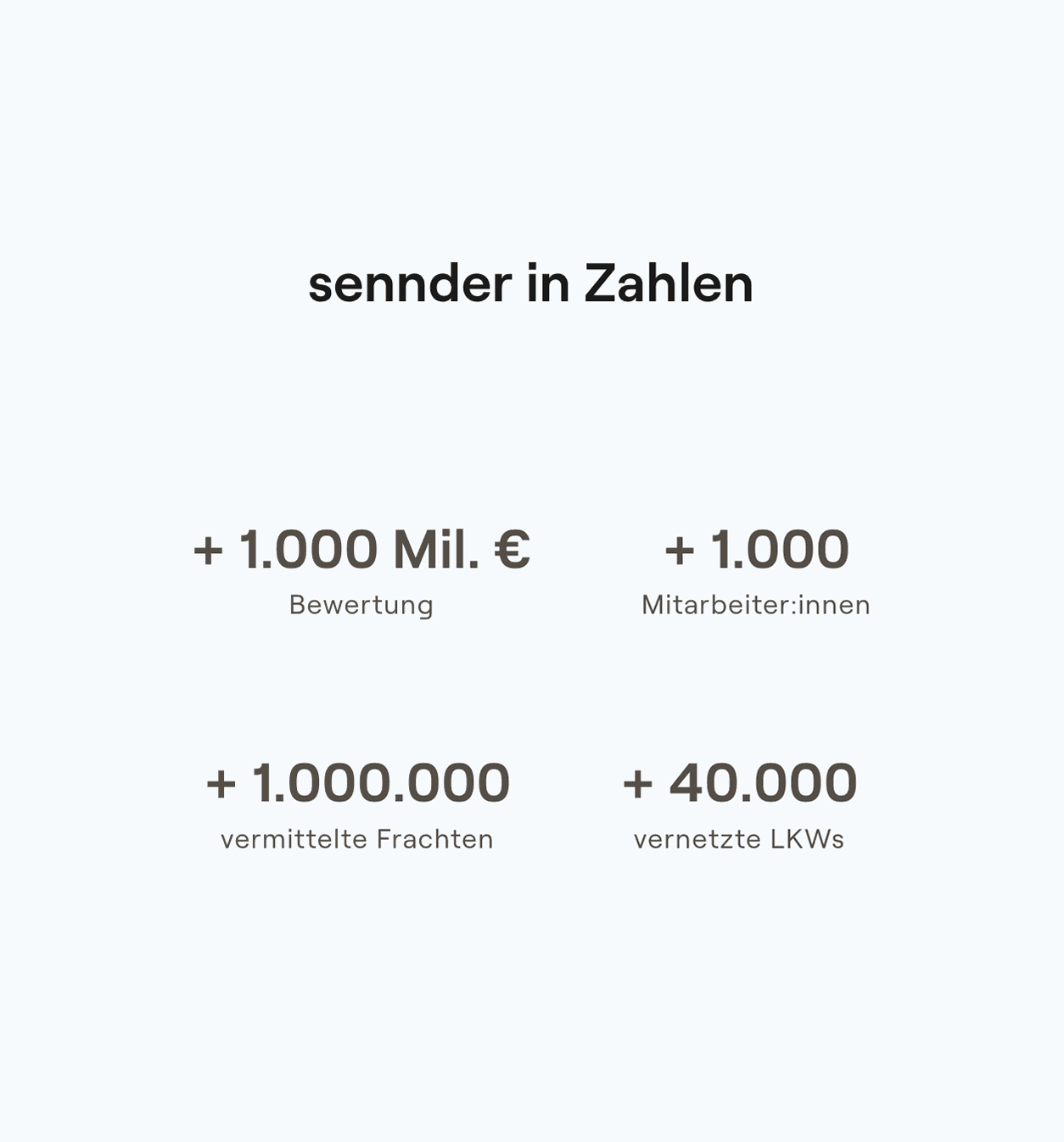
sennder operates Europe’s largest online platform for freight transport, connecting over 40,000 carriers with shippers in a fragmented logistics market. Divergent needs of both user groups and a cumbersome sign-up process slowed growth. DAYONE redesigned the platform’s information architecture, brand positioning and registration process. The result: more qualified sign-ups on both sides of the marketplace and increased trust in sennder as a partner.
- Client
- sennderconnects over 40,000 carriers with shippers
- Industry
- Logistics / Freight Transport (B2B)
- services
- Conversion optimisationUser ResearchMarket analysisInformation architectureBrand positioningUX/UI designImplementation support
- Result
- More qualified sign-ups on both sides of the marketplace, strengthened trust as a partner

Online platform optimised for two user groups
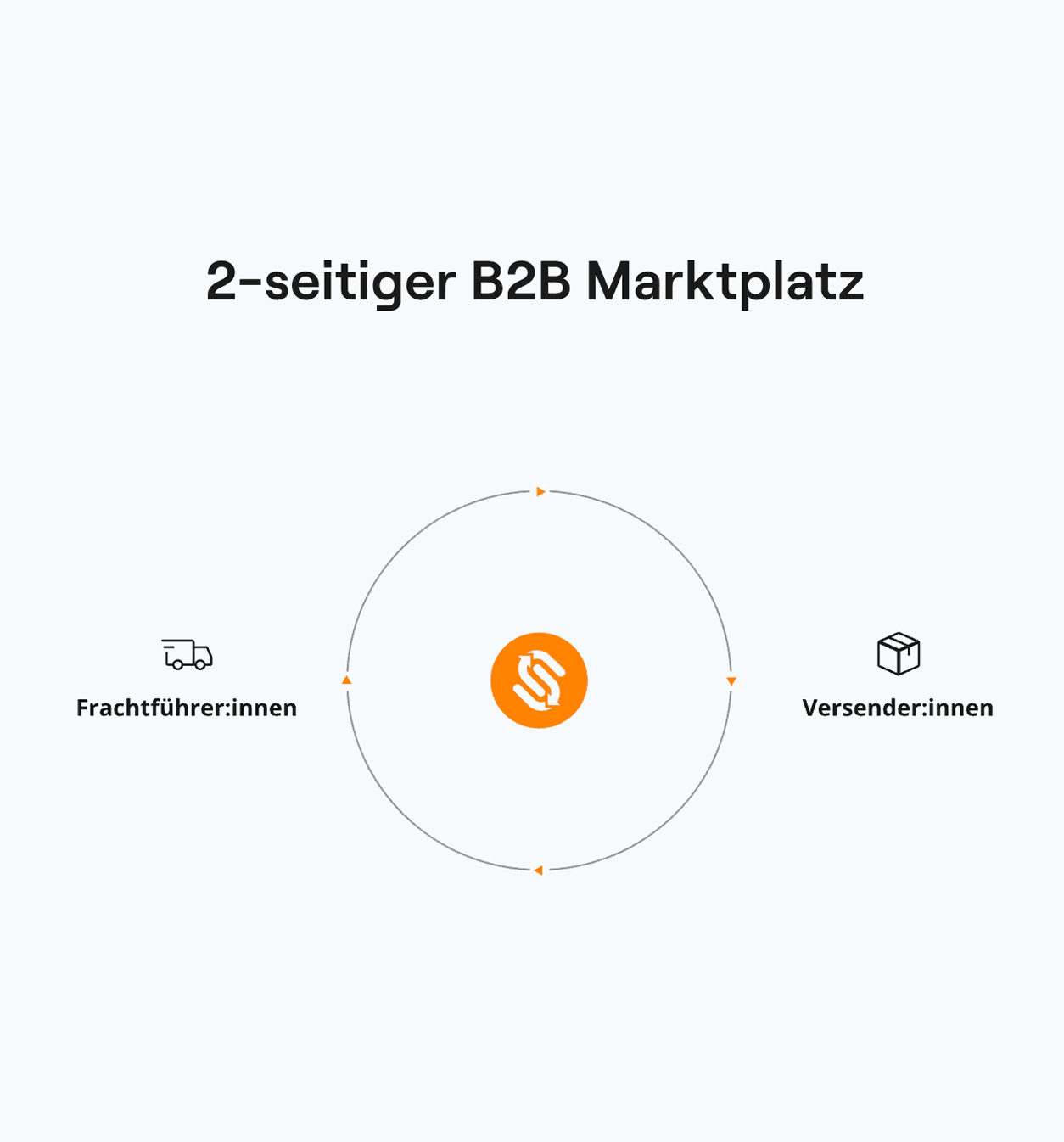
sennder brings shippers and carriers together on one platform, two groups with different needs and decision paths. A restructured information architecture with separate areas, relevant content and clear navigation ensures both groups find what they are looking for faster and sign up more often.

Build trust in a fragmented market through a clear presence
The European freight market is made up of over 400,000 small carriers and countless shippers. In this environment, trust is crucial. Through clear communication and design that conveys reliability and transparency, sennder positions itself as a strong, trustworthy partner. Relevant content, clear pages and plain language build trust from the very first visit to the website.





Simpler sign-up brings more qualified users
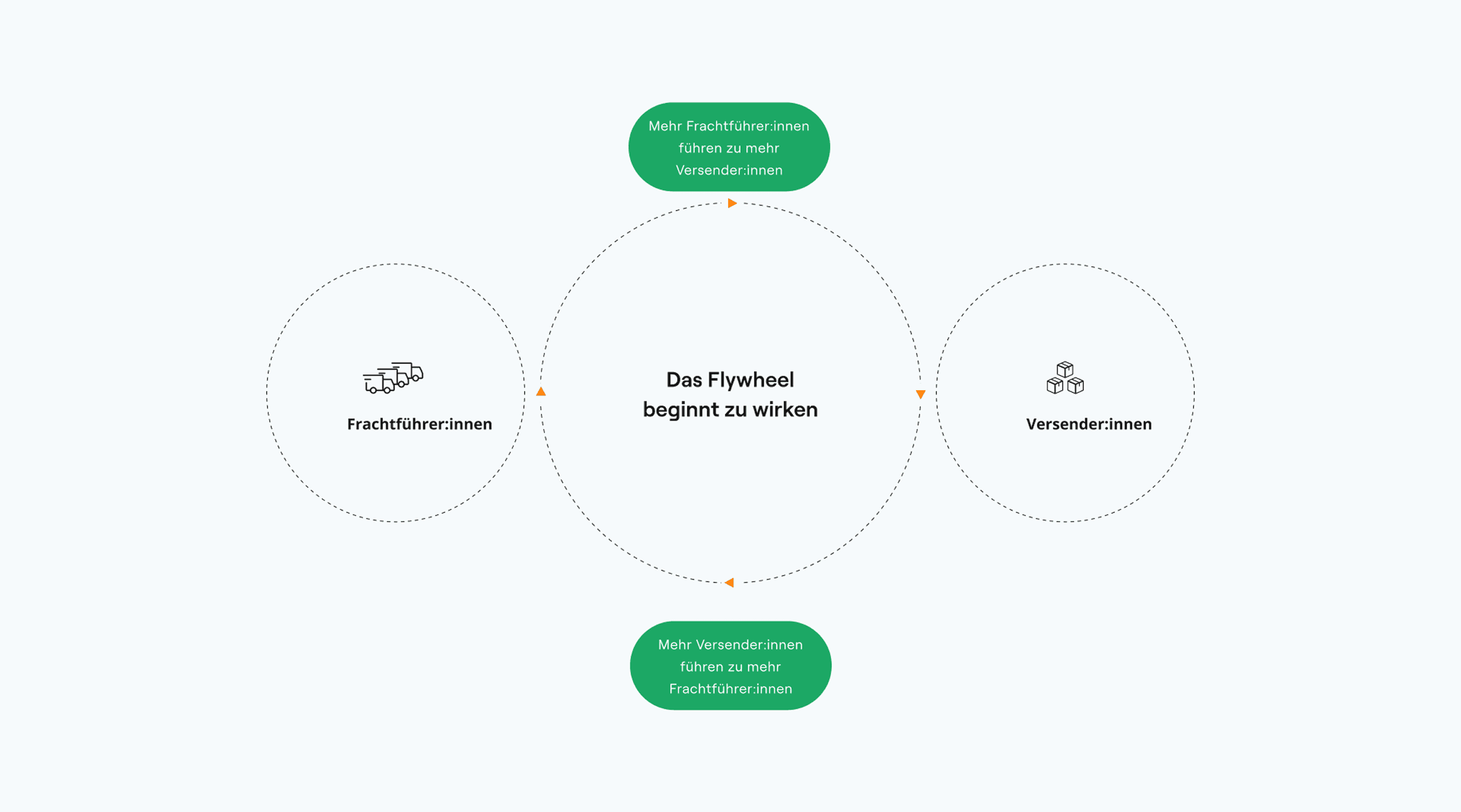
A key lever for platform growth was a simple, user-friendly sign-up process. By improving registration for shippers and carriers, onboarding was simplified and the number of qualified sign-ups increased significantly. More users on both sides of the marketplace accelerate the business model’s flywheel and strengthen sennder’s position as a leading provider in digital freight brokerage.
Outcome
Since optimising the sign-up process, more shippers and carriers register on the platform because getting started has become easier.
Separate areas for shippers and carriers with relevant content and dedicated navigation let both groups find what they need faster, instead of searching through a single, undifferentiated structure.
Our Services for a Successful Collaboration
The collaboration with sennder was shaped by a clear objective, deep user understanding and a structured approach — from analysis through to measurable results.
User Research:
Workshops and interviews with shippers and drivers to identify key user motivations and needs.
Market analysis:
Analysis of the European freight market and competitive landscape for strategic positioning.
Information architecture concept:
Restructuring of the information architecture with clear entry points, reduced complexity, and purpose-driven user journeys.
Brand positioning & value propositions:
Refinement of the platform’s value proposition through consistent language and design.
UX/UI design and prototyping:
Tested interfaces that guide users effectively toward conversion, as evidenced by increased registration numbers.
Close collaboration and implementation:
Support throughout implementation and continuous optimization up to the go-live.
Frequently asked questions
How does an optimisation strategy change for a two-sided B2B platform with two different user groups?
On a two-sided platform such as a freight marketplace, both sides have different needs and decision paths. Optimisation therefore requires separate user journeys and dedicated entry points for each group, rather than building a single journey for both.
What distinguishes conversion optimisation from a pure redesign?
Conversion optimisation primarily changes the user guidance at specific decision points such as sign-up. A pure redesign can look good and still lose users at the same points as before.
How do you build trust in a fragmented B2B market with many small providers?
Clear communication and design that conveys reliability and transparency build trust from the first website visit. In a market with many small, independent providers, that replaces part of the personal relationship-building that would otherwise determine trust.
How do you validate a sign-up optimisation before fully rolling it out?
New interfaces and journeys first run as a tested prototype before going live. This allows assumptions about user behaviour to be checked ahead of the full rollout, not afterwards.
More Cases


Let's move your project forward together!
We look forward to your challenge.